Custom electronics design and prototyping

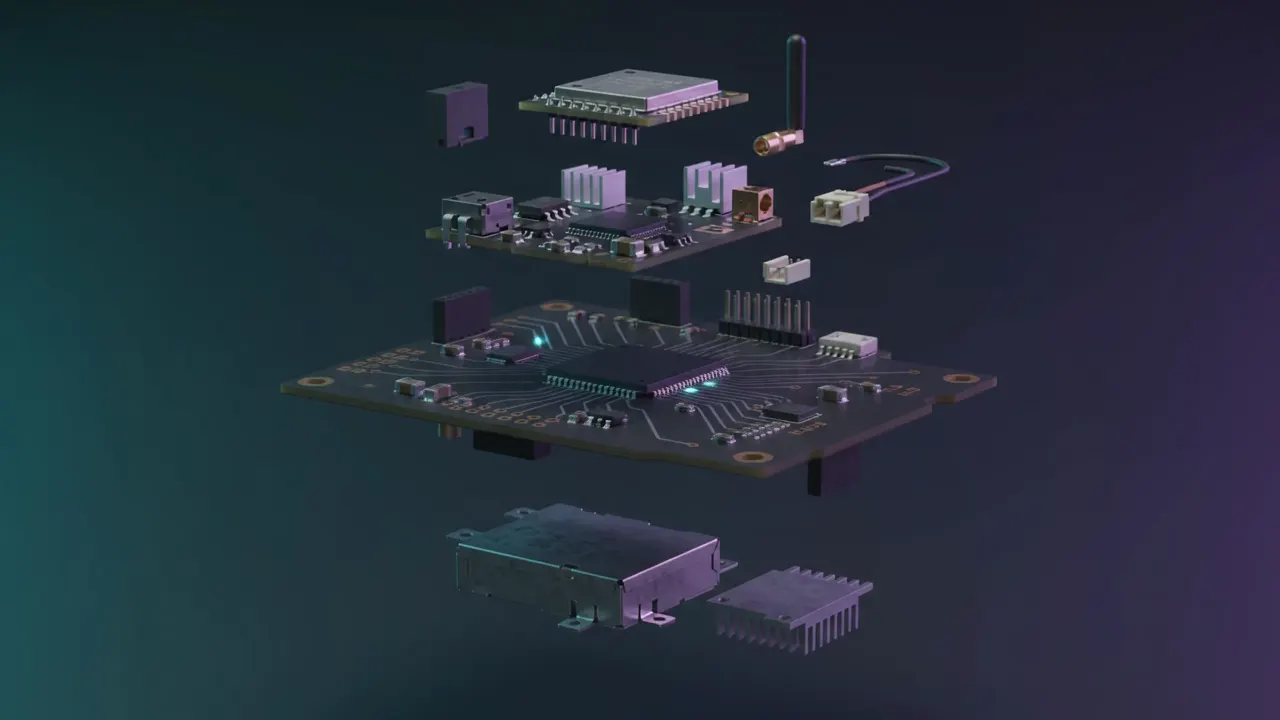
We design custom mainboards, including schematics and PCB layouts. We program ESP32, ESP8266, NodeMCU and Arduino Nano solutions and design the electronics around them. We also build systems around Banana Pi and similar single-board computers. Where needed, we connect your device to data logging, remote monitoring and a web control panel.

Why us

Electronics and software designed together

We start with what you need the device to do. We coordinate the electronics, software and connected systems, and prepare manufacturing with our partners.

Electronics that fit the task

We look at what the device needs to do, which signals it handles and where it will operate. We then recommend a development board or a custom mainboard.

Hardware and software together

We plan the board, firmware and data backend together. We consider the connections all the way from the sensor wiring to the browser dashboard.

A prototype you can try

We test the agreed functions on the prototype. At handover, we discuss how to use it, what we learned and the options for further development.

Where we help

From a custom mainboard to a working system

You can start with an idea for a new device or an existing concept. We choose the circuits, software and connected interfaces to suit the task.

Custom mainboard design

We create the schematics and PCB layout for your mainboard. We adapt the connectors, power supply and component placement to the device's operation and dimensions.

Microcontroller solutions and firmware

We program ESP32, ESP8266, NodeMCU and Arduino Nano controllers. We develop sensor handling, data transmission and operating logic together. Voice control can also be integrated, including operation in Hungarian.

Power supplies, sensors and interfaces

We design the electronics around the controller: power circuits, sensor connections, level shifting and peripheral interfaces. We select connectors and signal paths to suit the operating environment.

Measurement, data logging and remote monitoring

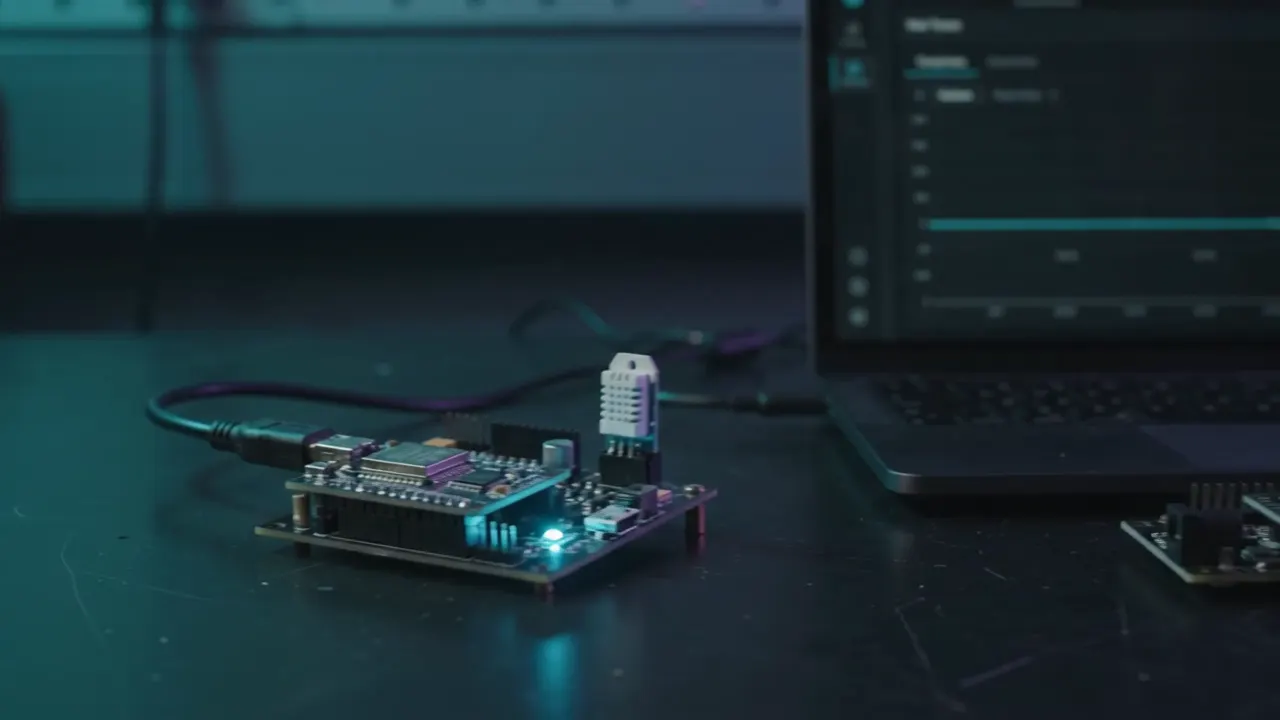
We develop systems that collect temperature, status or other operational data. We agree on the measurement range, required accuracy, logging and notifications. Local operation and remote access are planned separately.

Backend and dashboard

We build a backend to receive and store device data. The browser control panel lets you follow measurements, review device status and use the agreed control functions.

Prototypes and small batches with partners

We design the electronics and prepare the manufacturing files and bill of materials. A domestic or overseas partner manufactures the PCBs and, where needed, carries out SMT/THT component assembly. We put together, program and test the prototype. A small batch can follow an agreed design.

3D-printed enclosure for your prototype

We can also design a 3D-printed enclosure to fit the board and connectors. We agree on the design and material according to how it will be used.

Before we start

What should you send first?

You do not need finished technical documentation. Tell us what you want to achieve and send any material you already have.

The task and the goal

What should the device measure, control or indicate? Who will use it, and how? Describe the important operating situations and the data you want to see or transmit.

An existing device or sketch

You can send photos, a hand sketch, a datasheet or an example of how it should work. If you have schematics, a PCB layout or existing software, share those too. They can provide a starting point for new development.

Environment and constraints

Tell us the power supply, size limits and intended quantity. Include the installation location, temperature, moisture, connectors and available network access.

We review your description and material. We clarify missing technical details together and prepare a quote for the agreed scope. An existing device provides a development reference; sharing it does not constitute a repair request.

From requirements to prototype

How we develop your custom electronics

First, we clarify operation and constraints. We then design the electronics, prepare manufacturing with a partner, and program and test the prototype.

Think of a tool made to fit a specific job: the board, software, connectors and enclosure all need to serve the same purpose.

Firmware preparation and development-board testing can run alongside manufacturing. Bring-up of the final board takes place after it arrives. Prototype testing checks the agreed behaviour; certification and series production require separate discussion.

Requirements and operating conditions We discuss the goal, measurement and control tasks, environment and handover scope. We define the behaviour to be tested on the prototype.
Concept and component selection We select the controller, sensors, power supply approach and data connection. We consider whether a development board or a custom mainboard fits the task.
Schematics and PCB layout We design the circuit and board. We prepare manufacturing data such as Gerber files, drill data and the bill of materials (BOM).
Partner manufacturing and component assembly A domestic or overseas partner manufactures the PCB. Where needed, a partner also assembles the surface-mount (SMT) and through-hole (THT) components using the agreed manufacturing package.
Firmware and board bring-up We check the incoming board's basic operation and program the controller. We integrate the sensors, peripherals and data connection. For a single-board computer, we also prepare the application software and system configuration.
Testing and handover We test the agreed functions and important operating situations. We hand over the prototype and agreed documentation, then discuss its use and the next steps.
Platforms

We choose the controller to fit the task

Connectivity, power consumption, required interfaces and software tasks together determine the starting point. You do not need to choose a board before contacting us.

ESP32 / ESP8266 / NodeMCU

Sensors and network connections

We can design ESP-based solutions for measurement, data transmission and control. A NodeMCU or another development board can provide the prototype's starting point. We select the exact model to suit the required interfaces and wireless connection.

  • data transmission
  • sensors
  • firmware
Arduino Nano

Local control and peripherals

A Nano-based solution can suit straightforward control tasks and sensor experiments. We agree on the exact Nano family variant according to memory, signal levels and interfaces.

  • local control
  • prototype
  • interfacing
Banana Pi and similar boards

A single-board computer in your system

Where an operating system, local data processing or multiple software services are needed, we can design an SBC-based system. We select a suitable model and the electronics connected to it.

  • SBC
  • local processing
  • system integration
Custom mainboard

A PCB designed for your device

Where dimensions, connectors or the combination of circuits call for it, we design a custom mainboard. It can also carry a controller module: a custom PCB and an existing module can work together.

  • schematics
  • PCB layout
  • manufacturing preparation

An ESP-based solution may suit a networked sensor, an Arduino Nano may fit simpler local control, and an SBC may suit more complex local software. Where layout or interfaces require it, we design a custom mainboard. We decide using the exact requirements and the selected model's datasheet.

Which starting point fits your project?

Development board or custom mainboard?

Either can provide a useful prototype. The choice depends on space, connectors, circuits and intended quantity.

An existing board, custom software

Development board

We start with an existing controller board. We write its software and design the required power supply, sensors and interface circuits around it.

Pros

  • The operating concept can be tried on an existing board.
  • The development board already includes the controller's basic circuits.
  • Individual prototype modules can be replaced separately.

Cons

  • The existing board limits dimensions and available pins.
  • Multiple modules may need separate wiring and mounting.
  • The board may include features the project does not need.
Your own layout and connectors

Custom mainboard

We create custom schematics and a PCB layout. The board carries the controller and supporting circuits required for the task.

Pros

  • The layout can fit the device and enclosure.
  • Required connectors can be brought together on one board.
  • Power supply and interface circuits can be designed together.

Cons

  • Separate schematics and PCB layout work are needed.
  • The board must be manufactured before physical testing.
  • Changes may require a new board revision.

The approaches can be combined: we can design a custom mainboard around an existing controller module. Choosing a development board or custom PCB does not determine whether the system operates online or offline. We discuss local operation, data transmission and remote access separately.

Common questions about electronics development

Do you repair electronics?

We do not offer electronics repair. We focus on custom electronics design and building new prototypes. You can show us an existing device as a functional reference for a new development project.

Who manufactures the PCB and assembles the components?

A domestic or overseas partner manufactures the PCB. Where needed, a partner also carries out SMT/THT component assembly. We prepare the design and manufacturing package, then put together, program and test the prototype.

What do I receive at the end of development?

The agreed prototype and documentation. We define in advance which design files, schematics, PCB layouts, manufacturing files, bill of materials and firmware source code will be handed over. We also agree on file formats and terms of use.

Can you help with small batches?

We can help prepare and deliver a small batch with a manufacturing partner. Quantity, component availability, assembly and testing are discussed separately. Series production and any certification require separate discussion.

Which microcontroller should I choose?

We decide based on the task. ESP32, ESP8266, NodeMCU and Arduino Nano solutions may be suitable. If a single-board computer is needed, Banana Pi or a similar SBC may provide the starting point. We consider power, connectivity, dimensions and software needs together.

How do I request a quote?

Tell us what you want to measure, control or achieve. Include the power supply, size limits and intended quantity. You can also send photos, sketches or existing schematics. We review the material, ask follow-up questions and prepare a quote for the agreed scope.

Request a quote

Tell us what you need

A few details and a short description are all we need. We’ll get back to you with the details.

0 / 4000
Request a quote

Tell us what you need

A few details and a short description are all we need. We’ll get back to you with the details.

0 / 4000

Built on proven technology

Claude AIChatGPTWordPressWooCommerceReactPHPGoJavaScriptGoogleCloudflareClaude AIChatGPTWordPressWooCommerceReactPHPGoJavaScriptGoogleCloudflare